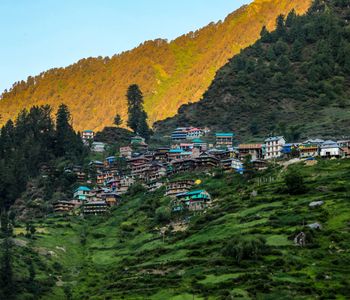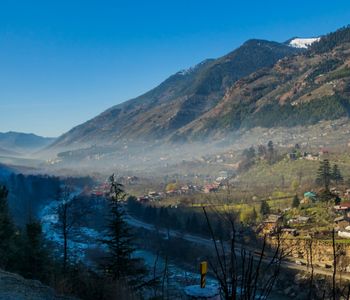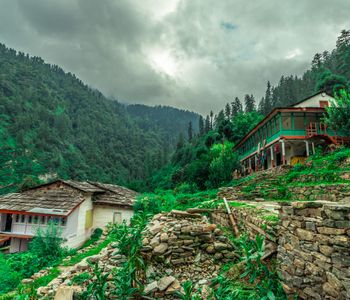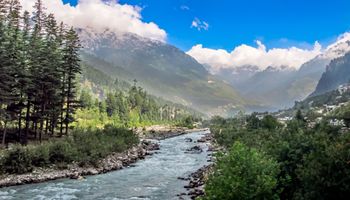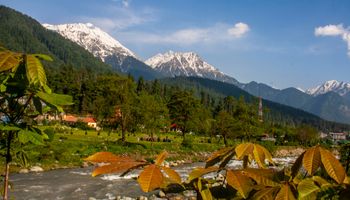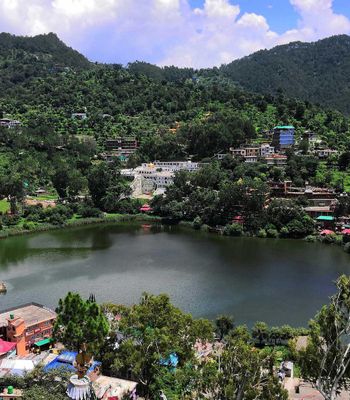
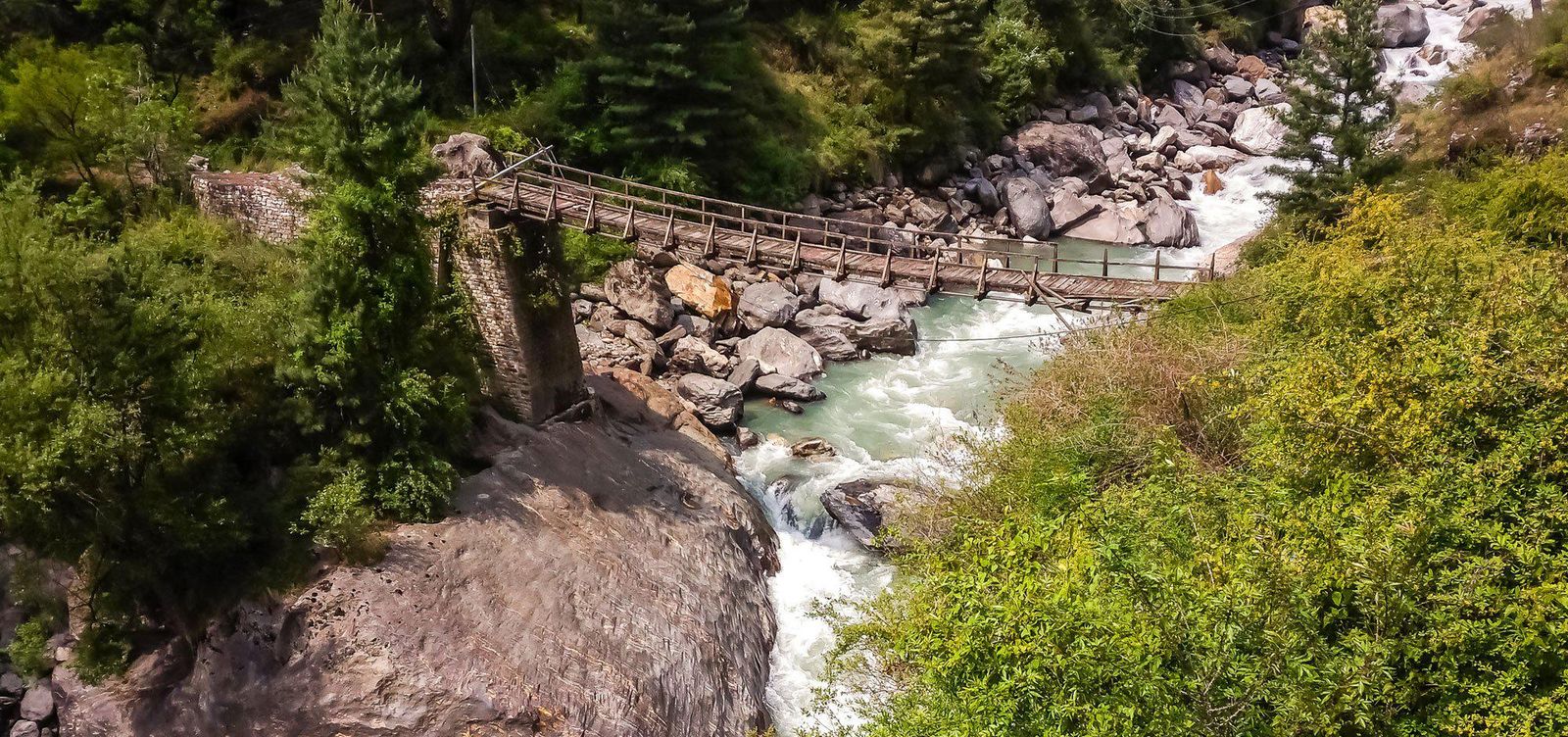
The first thing you notice isn't the mountains. It's the sound. The Parvati River tears through the valley with a relentless, almost industrial roar, and everything in Kasol — the cafés, the guesthouses, the conversations between strangers who became friends an hour ago — unfolds against that constant white noise. This small hamlet in Himachal Pradesh's Kullu district sits at roughly 5,180 feet, strung along the riverbank like an afterthought that somehow became a destination. Israeli travelers discovered it decades ago, and their influence remains stamped on every restaurant menu and shopfront sign. Hebrew lettering shares wall space with Hindi, a visual dissonance that tells you immediately this isn't a typical Himalayan settlement. Kasol is compact, unhurried, and a little ragged at the edges — exactly the kind of place that rewards those who slow down.
A Place Without a Postcard — And Better for It
Kasol has no fort, no ancient temple, no monument demanding reverence. Its pull is atmospheric, not architectural. The hamlet sits between Jari and Manikaran in the Parvati Valley, a corridor that has drawn backpackers, trekkers, and spiritual seekers since the 1990s. What started as a stopover for travelers heading to Manikaran's hot springs or the higher reaches of Kheerganga gradually became the destination itself.
The Israeli presence shaped the hamlet's personality in ways nobody planned. After completing mandatory military service, young Israelis began arriving here in significant numbers, and local entrepreneurs adapted with remarkable fluency. Restaurants started serving shakshuka and hummus alongside dal makhani. Shops stocked products with Hebrew labels. This cultural layering gives Kasol a strange, placeless quality — you're in the Himalayas, eating Middle Eastern food, listening to reggae, surrounded by deodar pines. It shouldn't work. Somehow it does.
Yet the identity keeps shifting under your feet. In recent years, domestic tourism has surged, and weekend visitors from Delhi and Chandigarh now outnumber the international backpackers who first drew attention here. The character of the place changes depending on when you arrive. Midweek in October feels like a different country from a Saturday in May.
The River Runs Everything
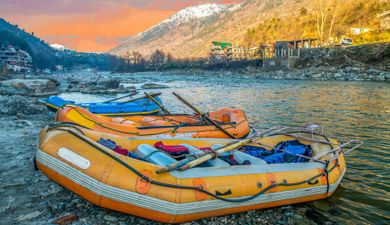
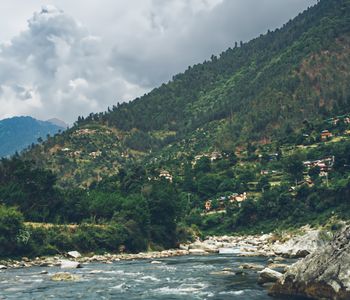
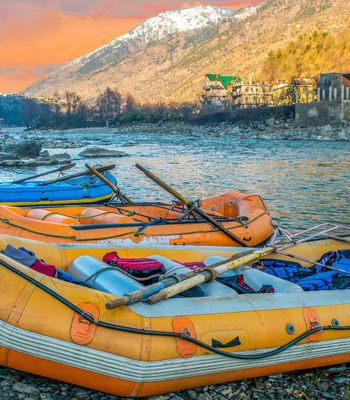
The Parvati River is Kasol's spine, its clock, its mood. Cross the narrow footbridge connecting both sides of the hamlet, and you'll feel the planks shudder beneath your feet from the sheer violence of the current below. On the eastern bank, flat boulders along the riverbed serve as slow-motion gathering spots where travelers sit for hours, reading or watching jade-green water churn past in a kind of hypnosis. The color shifts with the season — milky and aggressive during the monsoon, clear and almost turquoise by late autumn.
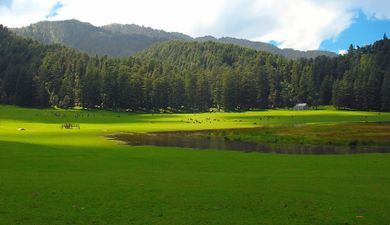
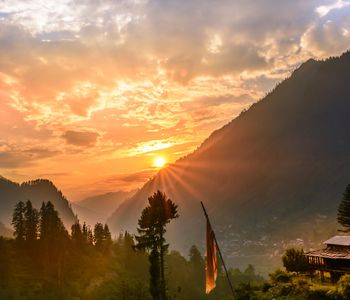
Pine and deodar forests climb the slopes on either side. In spring, wild cannabis plants grow openly along the trails, a fact that feeds Kasol's countercultural reputation but also complicates its relationship with local authorities. The air carries resin and woodsmoke, particularly in the mornings when guesthouse owners light their bukhari stoves against the mountain chill. That smell — sharp, woody, faintly sweet — follows you home in the fibers of your jacket.
Birdwatchers will find the valley surprisingly generous. Western tragopans and Himalayan monals inhabit the higher forests, though spotting them requires patience and an early start. Closer to the hamlet, yellow-billed blue magpies flash between branches with an almost theatrical confidence, as if they know you're watching.
The Meals That Make No Geographical Sense
Kasol's food scene punches well above its weight for a hamlet with one main road. The Israeli cafés remain the backbone — places like Evergreen and Jim Morrison Café serve plates of falafel, pita, and Israeli salad that would hold their own in Tel Aviv. The bread is fresh. The portions, unapologetic.
What catches most first-timers off guard is the quality of the Italian food. Wood-fired pizza has become a Kasol staple, and several establishments bake credible thin-crust pies using locally sourced ingredients. Pair one with a cup of Kullu Valley apple juice — tart, unfiltered, nothing like the boxed stuff — and you've assembled a meal that makes no geographical sense but tastes entirely right.
For something more grounded, seek out the small dhabas on the road toward Manikaran. Here, rajma chawal — red kidney beans simmered in thick gravy over steamed rice — arrives on steel plates for a fraction of what the tourist cafés charge. It's the valley's honest meal, the one locals actually eat, and the one you'll remember longest.
Trails That Demand Something From You
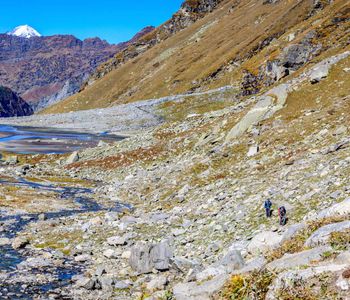
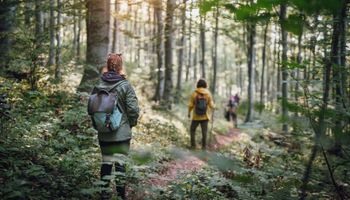
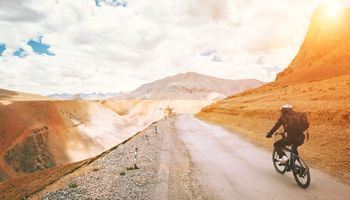
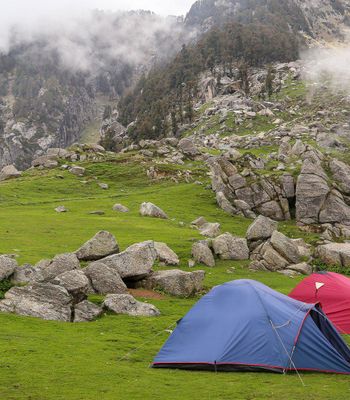
Kasol functions as base camp for several treks in the Parvati Valley. The most popular route leads to Kheerganga, a roughly twelve-kilometer climb that pays you back with natural hot springs at the summit. The trail passes through the village of Nakthan and cuts across dense forest before opening into alpine meadows. Plan for five to six hours of steady walking each way, and carry enough water — stalls appear along the route, but their availability is seasonal and shouldn't be relied upon.
A shorter option takes you to Chalal, a neighboring village about thirty minutes on foot. The path follows the river through forest, and Chalal itself offers a quieter echo of Kasol's café culture without the foot traffic. If you want something that burns in your legs, the trek to Rashol village climbs steeply upward and delivers panoramic views of the Parvati Valley that justify every gasping breath on the ascent.
Here's the counterintuitive truth about trekking from Kasol: the most rewarding walks happen in the shoulder seasons, not peak summer. Late September through November strips away the crowds and the monsoon haze, revealing the valley's sharpest contours under skies so clear they look almost digital.
The Road In — And What It Costs You in Nerves
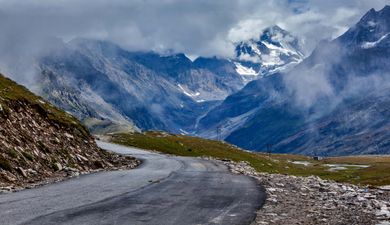
The nearest major town is Bhuntar, about thirty kilometers south, where the Kullu-Manali Airport handles limited domestic flights. From Bhuntar, local buses and shared taxis climb the winding road along the Parvati River to Kasol. The drive takes roughly ninety minutes, though landslides during monsoon season can stretch that figure into something nobody wants to talk about.
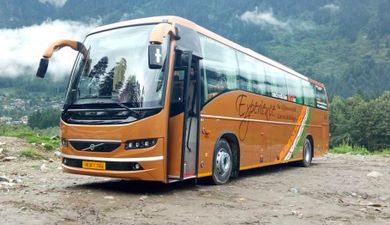
Most travelers arrive from Delhi, a journey of approximately twelve hours by overnight bus to Bhuntar. Himachal Road Transport Corporation operates regular services, and several private operators run Volvo coaches departing from Majnu Ka Tilla or Kashmere Gate. From Bhuntar's bus stand, you'll find onward transport to Kasol throughout the day.
Accommodation ranges from budget guesthouses charging a few hundred rupees per night to mid-range hotels with river-facing balconies. During peak season — May through June, and again around New Year — book ahead or risk wandering the main road with a backpack and diminishing patience.
The Gravity of Doing Almost Nothing
Kasol doesn't impress you immediately the way a grand monument or a sweeping viewpoint might. It works on you slowly, through accumulated details — pine smoke in your clothes, the river entering your sleep, the odd pleasure of eating hummus while staring at snow-dusted peaks. Some travelers stop here for a night and leave after a week. The hamlet has that gravity.
It's imperfect, increasingly commercial, and occasionally suffocating on weekends. But midweek, when the day-trippers retreat and the valley exhales, Kasol still delivers something rare: the feeling that time has loosened its grip, even if only for a few days. Not every place needs a monument to hold you. Some just need a river loud enough to drown out the rest of your life.