Himachal Pradesh

Manali

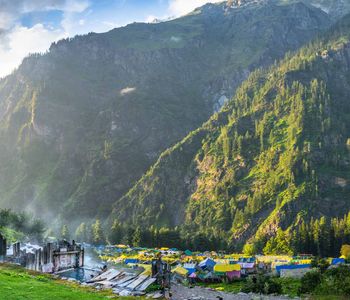
You step off the bus after hours of hairpin turns, legs unsteady, ears still ringing from the horn-happy trucks on the way up. Then you breathe in — properly breathe in — and something recalibrates. The air is sharp with pine resin and deodar cedar, threaded with woodsmoke drifting from somewhere up the valley. This is Manali. Not a hill station so much as a front door to the high Himalayas, where everything north of here gets steeper, colder, and stranger.

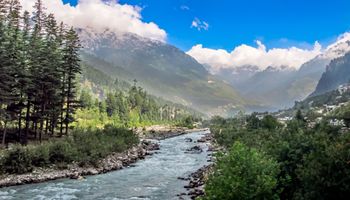
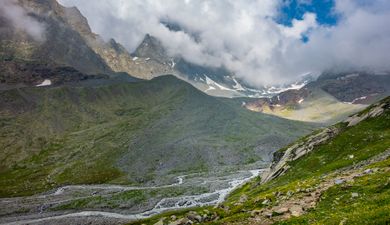
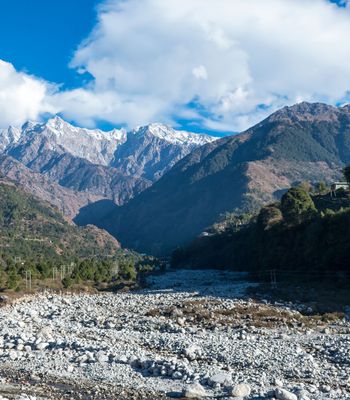
The town sits at roughly 6,500 feet between the Dhauladhar and Pir Panjal ranges, strung along the Kullu Valley floor where the Beas River tears past, fat with glacial melt, loud enough to drown out conversation on the bridges that cross it. You can fly into Bhuntar Airport and wind upriver for an hour, or white-knuckle the overnight bus from Delhi. Either way, that first glimpse of jagged peaks cracking through cloud cover erases every complaint you had about the journey.

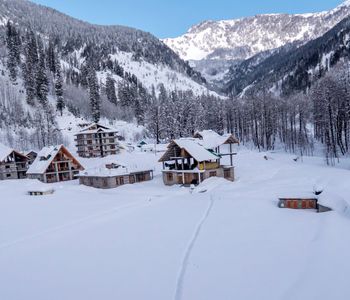
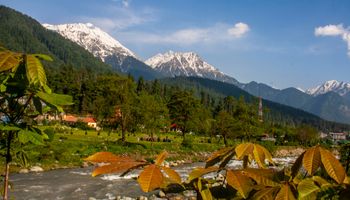
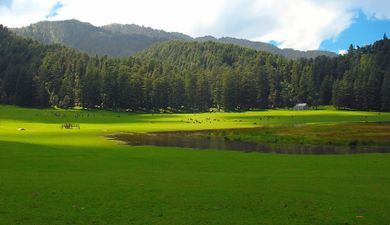
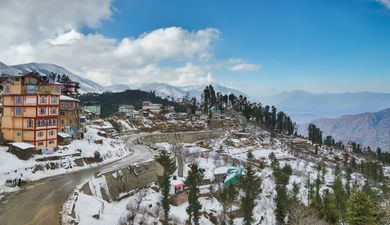
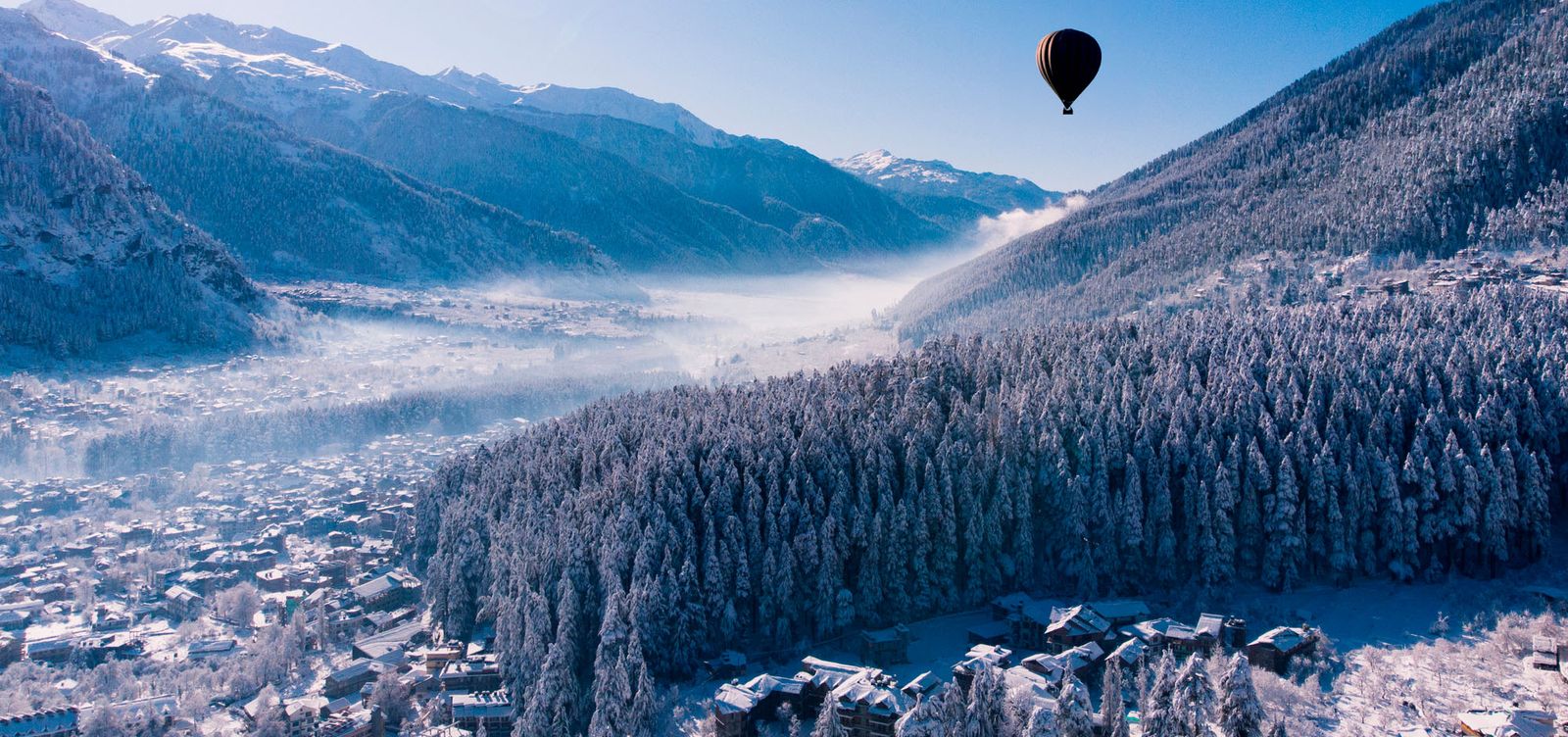
Manali shape-shifts with the calendar. Spring through autumn, the valley goes loud — apple orchards sagging with fruit, wildflower meadows so saturated they look digitally enhanced, hillsides green to the point of absurdity. Then winter descends, muffling everything under snow, and the town contracts. Crowds vanish. Woodstoves tick and crackle in guesthouse lobbies. It becomes an entirely different place — slower, more internal, and no less beautiful for it.

Old Manali: Where the Town Remembers Itself

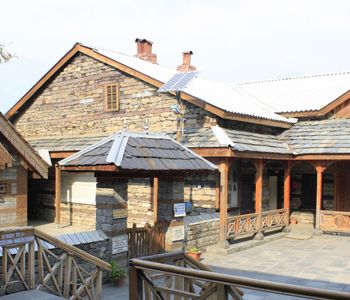
Ignore the honking taxi scrum on Mall Road — at least at first — and walk uphill to Old Manali. Stone lanes twist past centuries-old guesthouses swallowed in ivy, past cafes where someone is always playing guitar badly on a wooden porch, past apple trees dropping fruit onto the path in late August. The pace here is almost confrontationally slow. The village seems to physically resist hurry.

Budget travelers figured this out years ago. Old Manali's hostels cost next to nothing, and the atmosphere is unguardedly communal — you'll share a pot of masala chai with people you met twenty minutes ago and make dinner plans with them by sundown. It's that kind of place, for better and occasionally worse.

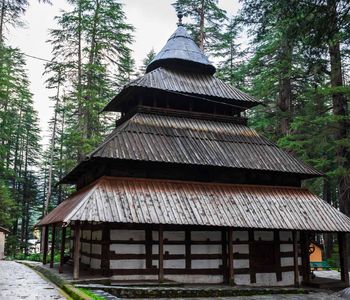
But Manali's roots go far deeper than its backpacker identity. The Hadimba Devi Temple — a four-story wooden pagoda surrounded by ancient deodar trees — has stood here since the sixteenth century. Walk into the forest clearing that encircles it and the air cools instantly, the light turns dappled and green, and the twenty-first century goes quiet. The Manu Temple, dedicated to the sage for whom the town is named, carries its own gravity. Legend holds this is where Manu meditated after the great flood — the Indian Noah, essentially.

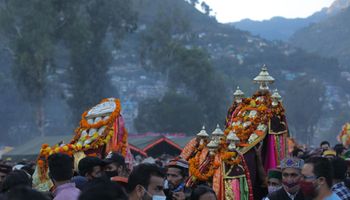
Tibetan monasteries dot the surrounding hillsides, their prayer flags snapping in the updrafts, their dim interiors glowing with butter lamps and the low vibration of chanting monks. Here's what surprised me: Hindu tradition and Tibetan Buddhist practice don't merely coexist in Manali — they've become so entangled that locals seem barely aware there's a boundary to notice.

Where Altitude Meets Adrenaline

Manali didn't build its adventure reputation on marketing. The terrain insists on it. Once the snow melts and the passes crack open, the options come fast:

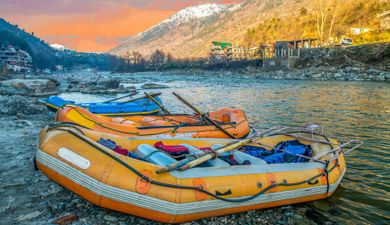
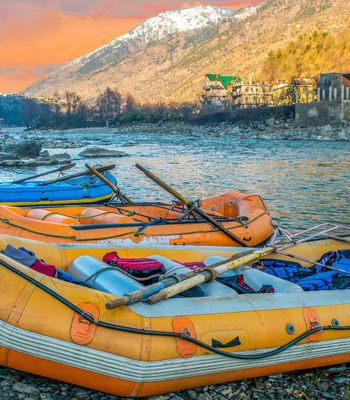
  • River rafting on the Beas — Ice-cold spray in the face as you crash through rapids that range from forgiving enough for first-timers to genuinely alarming for anyone paying attention.
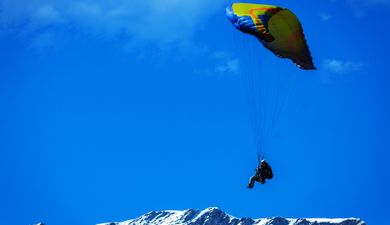
  • Paragliding over Solang Valley — You launch off a mountainside and hang above a patchwork of emerald pastures and snow-veined peaks. The silence at altitude, broken only by the fabric catching wind, is disorienting in the best way.
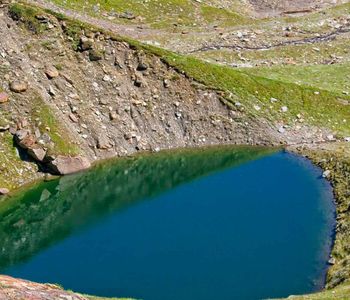
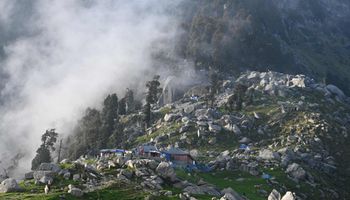
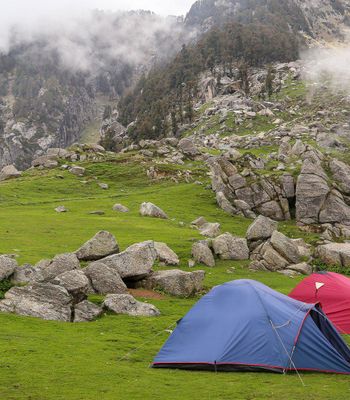
  • Trekking to Bhrigu Lake, Hampta Pass, or Beas Kund — Three very different trails: sacred glacial waters ringed by meadows, a dramatic valley crossing that shifts ecosystems in a single day, or the surreal blue of a lake pooled at a glacier's foot.
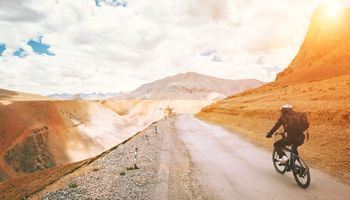
  • Mountain biking — Forest trails and high-altitude roads where the only traffic jam is an unhurried flock of sheep refusing to yield.

Winter flips the script. Solang Valley turns into a playground of fresh powder — skiing, snowboarding, snowtubing — the slopes loud with laughter bouncing off rock walls. Rohtang Pass, above 13,000 feet, draws those hungry to stand in high-altitude snowfields and feel genuinely insignificant. Fair warning: you'll need a permit, daily visitor numbers are capped to protect the fragile terrain, and weather shuts access without apology. Check conditions before you commit.

The Doorstep to Journeys That Ruin You for Everywhere Else

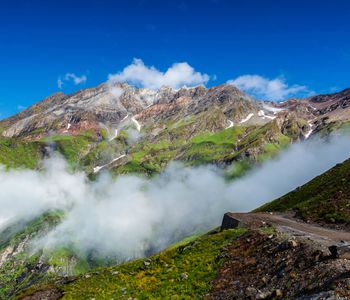
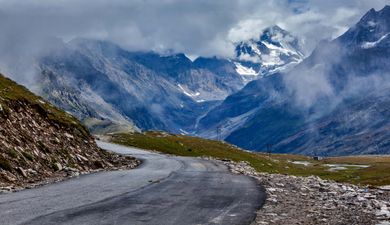
Manali is extraordinary in its own right, but it also happens to be the launching point for some of India's most staggering road journeys. The Manali-Leh Highway starts right here, climbing over passes so high your ears pop repeatedly and each switchback delivers a panorama that forces you to pull over and just stand there, saying nothing. Day trips and longer excursions to the Spiti Valley, Kasol, and Tosh carry you into remote mountain communities where daily life follows rhythms untouched by decades and the landscape edges toward the extraterrestrial — lunar, mineral, stripped of everything soft.

Back in town, sit down at a roadside restaurant and order siddu — steamed bread stuffed with poppy seeds and walnuts, dense and faintly sweet, the kind of food that makes perfect sense at this altitude. For a full experience, find a dham feast: a traditional Himachali celebration meal of rice, lentils, and slow-cooked meat served on leaf plates, every dish arriving with a quiet sense of ceremony. International menus exist for those craving the familiar, and they're competent enough, but you'd be cheating yourself.

Before you leave, spend an hour in the markets along Mall Road. Run your fingers over buttery Kullu shawls woven in geometric patterns that families have passed down for generations — the wool has a density you don't expect. Fill a bag with dried apricots, walnuts, and plums that taste nothing like their lowland cousins.

Honeymooners, solo trekkers, families chasing their first snowfall, seekers following prayer flags uphill — they all end up here, and Manali absorbs them without complaint. It's a place that rewards return visits almost more than first ones, because each season peels back a different layer, each trail opens onto a view you hadn't guessed at. And somehow, no matter how many mornings you wake up here and step outside into that pine-sharp cold, it still catches you off guard.

Things to See & Do

Planning a Trip to Himachal Pradesh?

Let our experts help you plan your next trip

Lowest Price Guaranteed

Get Free Quote

Manali Travel Guide

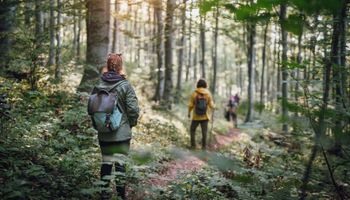
Whether you're seeking nature or adventure, Manali offers it all to its visitors. For a calm day out, seek out the Wildlife Sanctuary. A dense forest defines this outing along with plenty of creatures dotting the landscape. In fact, walking among the trees or across the nearby meadows are two of the most pleasing aspects of trekking around Manali. Bring your backpack, comfortable shoes, refreshments, and an open mind as you bask in the Himalayan beauty.

There are plenty of temples and monasteries to visit in Manali too. Local maps can guide you to the most popular landmarks.

Many travelers look to Manali for its adventure-sports options. Paragliding, whitewater rafting, skiing, and rock climbing are just a few of the adventures to seek in and around Manali. Most visitors can sign up for an activity as they explore the area. Reserving the activities beforehand isn't usually necessary.

If you're new to any of these activities, the locals are happy to assist with beginning classes. Mountaineering, for example, gives you a taste of how to rock climb and maneuver among the cliffs with safety as a guiding principle. Simply ask about how-to classes when you find an attractive activity.

At times, the weather might hinder a few activities. Be flexible with your day if the winds are too harsh for paragliding, for instance. A hike along the valley can be just as rewarding. The next day might be better for a bird's eye view of Manali anyway.

March-June

During the spring, Manali offers comfortable temperatures between 50 and 77 degrees Fahrenheit. Typically, this time is the busiest because the moderate weather is ideal for paragliding, trekking and ropeway rides. Indeed, Solang Valley's attractions are open for nature enthusiasts or adventure seekers. For example, hike Rohtang Pass with snowy mountaintops as your background. Because of the good weather, be prepared for some crowds and top-tier pricing for goods and experiences.

July-September

Manali is known for its monsoonal summers. Sudden downpours and muddy conditions create treacherous conditions at times, for instance. The hot and humid daytime temperatures cool off as the evenings set in. Luckily, between the rainy periods are green landscapes and few people across the region. You can also find reduced prices on lodging, food and other necessities, too. Ideally, stay flexible during this summer vacation. Outdoor activities can be canceled depending on the weather. Instead, focus on indoor retreats to fill your time, such as restaurants or temples.

October-November

The fall offers drier conditions and few tourists in the region. Take advantage of the cool temperatures and no snowfall with famous hikes in Manali. For example, Hampta Pass, Bhrigu Lake and Beas Kund treks are ideal retreats in the fall. Prices remain low during this season, which gives you more funds to stay longer. Truthfully, snowfall is extremely rare before December.

December-February

Manali has a thick layer of snow during the winter. If you visit for winter activities, check the road conditions and pack for cold weather before arriving. For snow fans, Manali is famous for skiing, snowmobiling and snowboarding. The open valleys and foothills are ideal for both beginner and advanced riders. Also, the region hosts an annual winter carnival. With some planning, a wintry Manali visit can be as rewarding as spring's peak season.

One of the main reasons why Manali is so attractive is its small-town charm. It may be a bustling city, but its remote location still makes it a treasure to be discovered. Because it isn't close to a major airport or railway system, it's important to understand how to reach Manali in a safe manner. The towering mountains make the journey an unusual one.

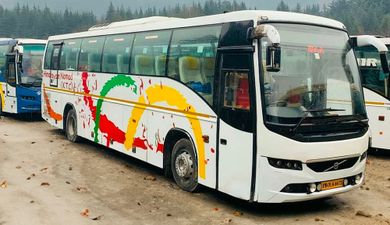
Most visitors reach Manali by starting off in Delhi. There are airports and trains that frequent these cities, which allows you to arrive from nearly anywhere on the planet. The more than 500 km journey to Manali, however, is possible with the help of overnight buses. They're large and comfortable buses that bring almost everyone to the city. Most bus rides start in the early evening so that you can be dropped off in Manali as soon as the morning sun rises.

These buses take you along winding, mountainous roads. The drivers are highly experienced at these trips, which allows you to take in the sights as you look out the window.

You can also take a flight to Bhuntar, Kullu which is the nearest airport to Manali and approximately 48 km away from Manali.

Once you reach Manali, traveling by foot or auto-rickshaw is preferred. This city is known for its adventurous personality, which can be discovered as you walk the open meadows and walkways.

Adventure activities in Manali span every thrill level, from gentle river floats to heart-pounding descents down snowy peaks. When you visit, you'll quickly discover that the surrounding valleys and mountains serve as a natural playground for nearly every outdoor pursuit imaginable.

Paragliding

Solang Valley draws paragliding enthusiasts who want to soar above pine forests and terraced hillsides. Tandem flights with experienced pilots make this activity accessible even for first-timers. On a clear day, the panoramic views of snow-dusted ridges and the sprawling valley floor below create an unforgettable few minutes in the air. Wind conditions can shift quickly, so stay flexible with your schedule and trust your operator's judgment on timing.

River Rafting

The Beas River delivers exciting whitewater rafting, particularly between Pirdi and Jhiri where rapids range from moderate to challenging. Travelers can choose shorter stretches for a quick adrenaline rush or longer runs that let them soak in the gorge scenery between bursts of whitewater. Outfitters along the route provide all necessary gear, including helmets, life jackets, and paddles.

Trekking and Mountaineering

Trails like Hampta Pass and Beas Kund reward hikers with alpine meadows, glacial lakes, and dramatic mountain crossings. For those seeking a steeper challenge, mountaineering courses introduce rope techniques and cliff navigation under professional guidance. The terrain around Manali accommodates both weekend trekkers and seasoned climbers looking for multi-day expeditions.

Snow Sports and More

Winter transforms Solang Valley and Rohtang Pass into skiing and snowboarding zones, with options for beginners and advanced riders alike. Beyond the snow, visitors often try zorbing, zip-lining, and rock climbing during the warmer months. Simply walk through the adventure hubs near Solang or along Mall Road, and you'll find operators ready to equip you for whatever excites you most.

Top Stories from Himachal Pradesh

Himachal Pradesh Tour Packages

More Places to Visit in Himachal Pradesh